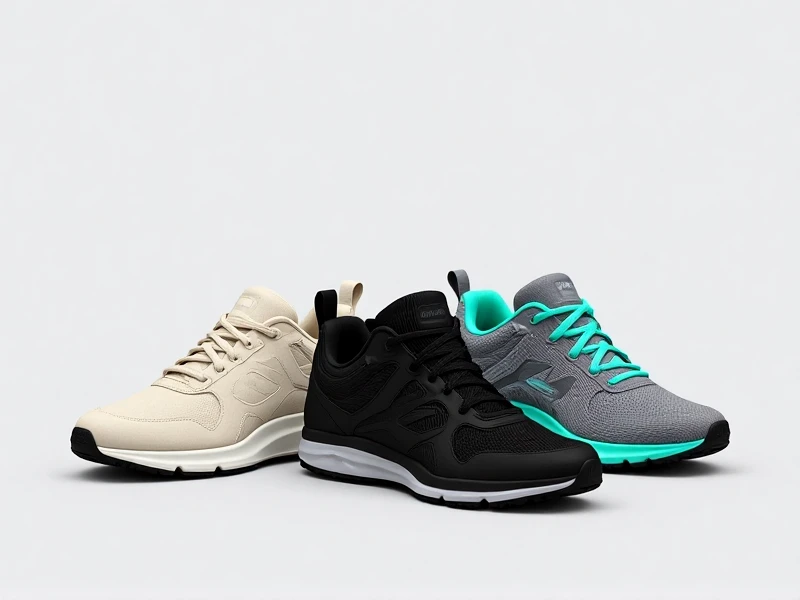
Finding the Perfect Pair: Your Comprehensive Guide to Sports Shoes
Selecting the right sports shoes isn't just about the latest trends; it's a crucial decision that affects your performance, comfort, and overall health. As someone who's passionate about fitness, I know how easy it is to underestimate this choice, leading to blisters, strains, or even long-term injuries. Whether you're hitting the track for a daily jog or gearing up for intense cross-training, investing in the best sports footwear can elevate your game. This guide delves into the essentials, helping you make an informed choice for any athletic endeavor.
First, understanding the different types of sports shoes is vital. Running shoes, designed for pounding the pavement, boast advanced cushioning systems to absorb shock with every stride, ideal for marathon training. Basketball shoes, unlike regular athletic shoes, provide extra ankle support and grip for quick lateral moves on the court. If you're into versatile activities like HIIT classes, cross-training sneakers offer stability and flexibility to handle various movements. Even tennis shoes focus on durability and lateral support to match the sport's constant shuffling. Matching the specific demands of your sport helps prevent accidents; for example, poor-fitting running shoes could cause overuse injuries.
When shopping, pay attention to key features in quality sports footwear. Look for adequate cushioning—especially in models like Nike's Air Max—to protect your joints during high-impact runs. Support is another critical factor: built-in arch systems or pronation control cater to your foot shape, reducing strain on flat feet or high arches. Materials matter too; breathable mesh keeps feet cool during intense workouts, while durable rubber outsoles deliver excellent traction on diverse terrains. For optimal fit, always try on shoes toward the end of the day when your feet are naturally swollen, and ensure there's a thumb's width of space at the toe. Don't forget to rotate your sports shoes every few months to maintain their structure and efficacy.
The benefits of proper sports shoes extend beyond comfort to health and performance. By providing shock absorption and enhancing biomechanics, the right pair significantly lowers injury risks, such as plantar fasciitis or stress fractures. Regular use in activities like walking or sports training promotes better balance and efficiency, potentially boosting endurance and speed. In my experience, prioritizing these features not only makes workouts more enjoyable but also invests in long-term well-being.
Ultimately, finding your ideal sports shoes involves self-assessment and testing. Consider your unique foot type—perhaps through a gait analysis—to guide your purchase. Reputable retailers often offer fittings or trials, so take advantage of that for a perfect match. Upgrade your athletic journey today with footwear that supports every step.