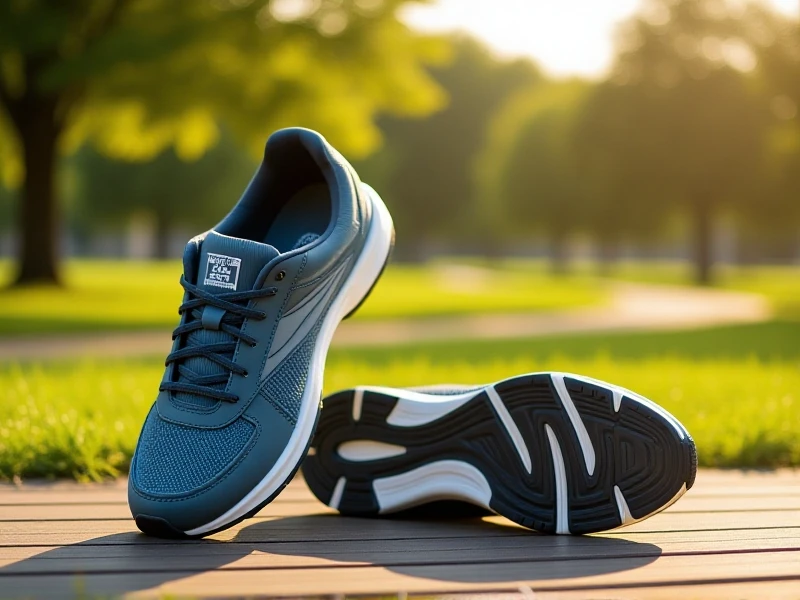
Maximize Your Game: The Ultimate Guide to Sports Shoes
Choosing the right pair of sports shoes can transform your athletic performance, whether you're a weekend jogger, a competitive athlete, or just starting your fitness journey. Sports shoes aren't mere accessories; they're engineered to support your feet, prevent injuries, and boost your endurance. In this guide, we'll explore why investing in quality sports shoes matters, how to pick the perfect pair for your needs, and top trends to watch. By the end, you'll feel confident making an informed choice that elevates your workouts.
First, let's break down the main types of sports shoes. Running shoes, for instance, feature extra cushioning to absorb impact during repetitive strides, ideal for jogging or marathons. Basketball sports shoes, on the other hand, prioritize ankle support and grip for quick pivots on the court. If you prefer versatile activities like cross-training or gym sessions, hybrid options offer flexibility and stability across diverse movements. Always align your selection with your sport—mismatched sports shoes can lead to discomfort or even long-term injuries. A good rule of thumb? Focus on shoes labeled for your specific activity to maximize benefits.
The advantages of premium sports shoes extend far beyond style. High-quality sport shoes reduce stress on joints by providing targeted arch support and shock absorption, cutting down the risk of issues like shin splints or blisters. Innovations like breathable mesh materials keep your feet cool during intense sessions, while advanced cushioning technologies offer responsive bounce for explosive moves. This translates to better endurance and faster recovery, so you stay at your peak. Don't overlook fit: sport shoes should feel snug without pinching, and professionals suggest testing them with athletic socks in stores.
Now, for practical buying tips. Start by assessing your foot type—flat, neutral, or high arches—to guide support choices. Shop for sport shoes in the afternoon when your feet are naturally swollen for a truer fit. Aim for brands known for durability, like those with rubber outsoles that withstand regular wear. Remember to replace your sports shoes every 6-12 months or after about 500 miles to maintain peak performance. Ultimately, the best sport shoes should feel comfortable from the first wear, enhancing your movement without distraction.
Ready to upgrade? With smart choices, sport shoes become game-changers in your fitness routine, improving confidence and results. For your next sprint or lift, prioritize function over fashion—your feet will thank you.