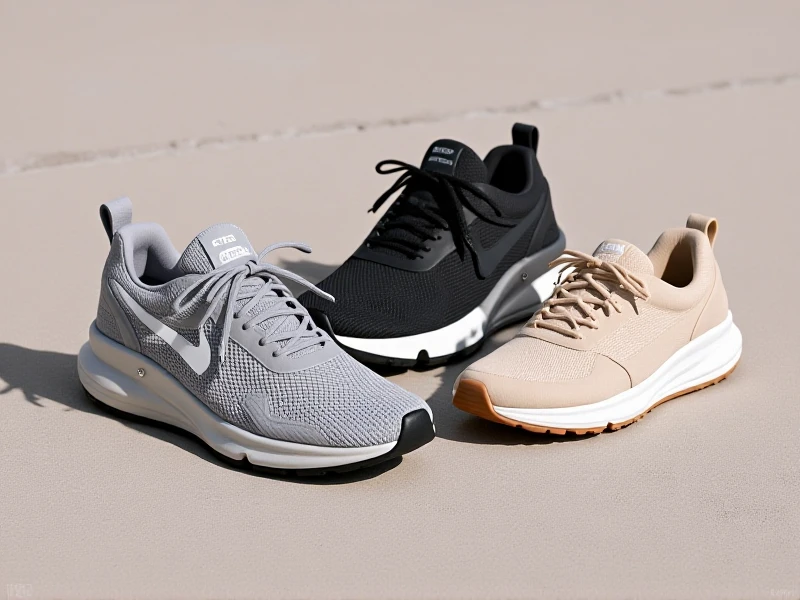
The Ultimate Guide to Running Shoes: Find Your Perfect Pair
SEO Optimized Article: Running Shoes
Choosing the right running shoes can transform your workout experience and prevent injuries. Whether you're a seasoned marathoner or a weekend jogger, understanding key features helps you maximize performance. This guide breaks down essentials for selecting ideal running footwear.
Why Proper Running Shoes Matter
Running shoes provide critical support, absorbing impact that’s 3-5 times your body weight with each stride. Ill-fitting shoes cause blisters, shin splints, or chronic knee issues. Optimal cushioning reduces joint stress while breathable materials prevent overheating during long runs.
Key Selection Factors
- Foot Type & Gait: Determine your arch (neutral, flat, or high) through a "wet test." Overpronators need stability shoes with medial support, while neutral runners benefit from balanced cushioning.
- Terrain Compatibility: Road runners prioritize lightweight flexibility; trail runners require aggressive treads and rock plates for uneven paths.
- Cushioning Level: Minimalist models encourage natural foot movement, while maximalist designs (like Hoka Bondi) offer plush shock absorption for long distances.
Innovative Technologies
Leading brands integrate cutting-edge tech:
- Nike React Foam: Delivers responsive energy return
- Adidas Boost Midsole: Enhances durability and rebound
- ASICS Gel Cushioning: Dissipates impact across the foot
Care & Replacement Tips
Rotate between two pairs to extend lifespan. Replace running shoes every 300-500 miles when cushioning compresses. Clean midsoles with mild soap and air-dry away from direct heat.
Final Recommendations
Always test shoes in-store late afternoon when feet swell. Walk or jog to assess heel slippage and toe space. Remember: comfort triumphs over trends. Investing in scientifically engineered running shoes elevates performance and safeguards your running journey.
Prioritize your stride health—your perfect pair awaits.