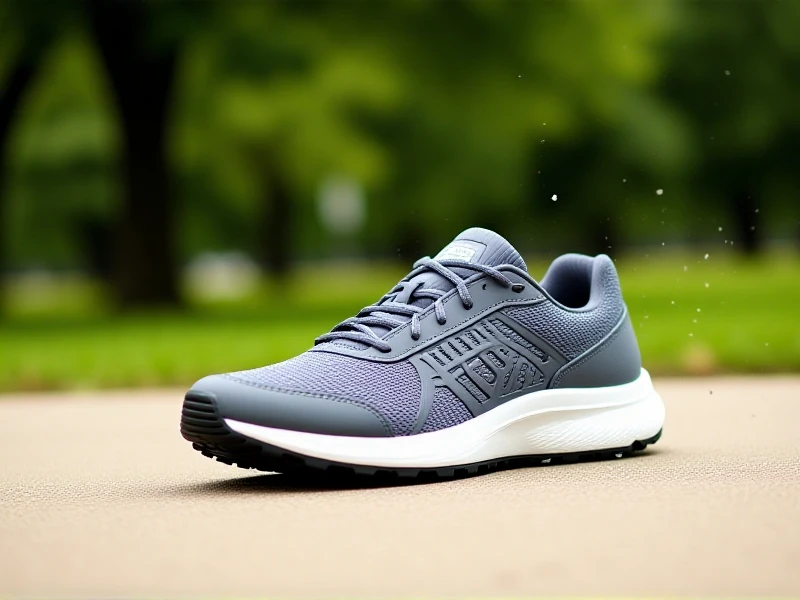
Find Your Perfect Pair: The Ultimate Guide to Sports Shoes
****
Choosing the right sports shoes isn't about looks alone. Whether you're pounding the pavement, hitting the gym, or playing court sports, the footwear you choose directly impacts performance, comfort, and crucially, injury prevention. Investing in the perfect pair is investing in your athletic journey.
Modern sports shoes are marvels of engineering. Key features like cushioning systems (often using EVA foam or proprietary gels like Nike Air or Adidas Boost) absorb impact, protecting joints during high-impact activities. Support structures include medial posts for overpronation control and TPU heel counters for stability. Breathable mesh uppers keep feet cool, while durable rubber outsoles with multidirectional tread patterns provide traction on various surfaces.
Different sports demand specialized designs: running shoes prioritize lightweight cushioning; basketball shoes focus on ankle support and lateral stability; cross-trainers offer versatile support for gym workouts; trail running shoes feature aggressive lugs and waterproof membranes.
When choosing sports shoes, consider your primary activity and focus on fit: feet naturally swell later in the day so shop accordingly. Ensure a snug heel, ample toe room (about a thumb’s width), and no pressure points. Align footwear with your sport’s demands – don’t run marathons in basketball kicks. Remember that cushioning breaks down over time; replace athletic shoes every 300-500 miles (approximately every 6 months). Here is the SEO-optimized article on "Sports Shoes" as requested:
Finding the ideal sports shoes is essential for performance, comfort, and injury prevention. Whether you're a professional athlete or a weekend warrior, the right footwear elevates your game. Let's explore how to navigate the diverse world of sports shoes.
Modern sports shoes incorporate advanced technology. Midsole cushioning systems – like air units, gel capsules, or responsive foams – absorb impact during running or jumping. Brands constantly innovate materials for lighter weight and better energy return. Breathable mesh uppers keep feet cool, while reinforced zones offer targeted support during lateral movements. Traction patterns vary significantly: deep lugs for trail running, multidirectional treads for basketball, and durable rubber for weightlifting.
Different sports have specialized footwear requirements. Running shoes focus on forward-motion cushioning and come as neutral, stability, or maximum support models. Basketball shoes prioritize ankle support, court grip, and shock absorption for jumps. Cross-trainers provide versatile moderate cushioning for gym workouts. Soccer cleats feature stud configurations tailored to field conditions, while trail runners have aggressive outsoles and protective rock plates.
Selecting the perfect pair involves key considerations. First, identify your primary activity and surface. A running specialist can analyze your gait to recommend cushioning and stability needs. Always try shoes on later in the day when feet naturally swell. Wear the socks you typically exercise in and ensure ample toe space (roughly a thumb's width). Walk or jog around the store, checking for heel slippage or pressure points. Replace athletic shoes every 300-500 miles as cushioning deteriorates.
The best sports shoes blend technology with personalized fit. Investing in proper footwear supports peak performance and reduces injury risk. Your feet carry you – equip them wisely for every stride, jump, and pivot on your athletic journey. Discover the innovation waiting for you in today's athletic footwear collections. Step up your game with shoes engineered for movement.