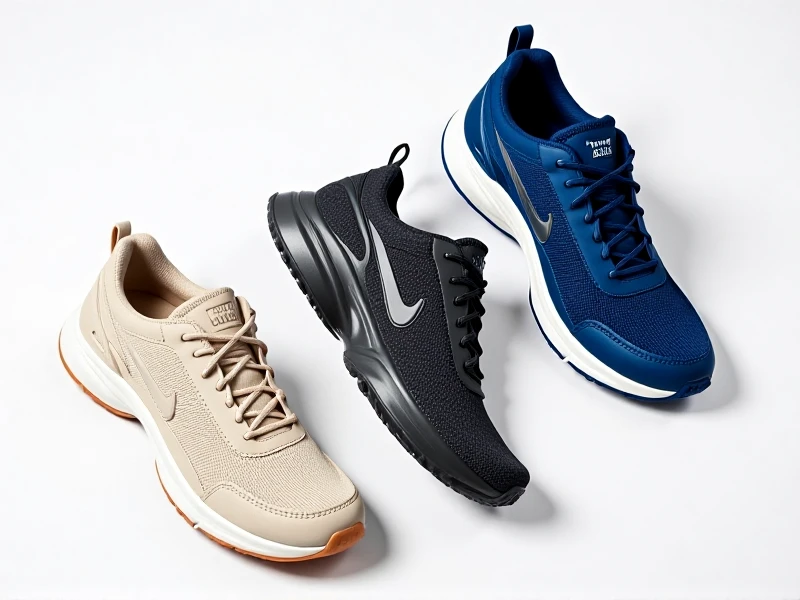
Choose the Best Running Shoes to Elevate Your Running Game
Finding the perfect pair of running shoes can transform your workouts from mundane to exhilarating. Whether you're a seasoned marathoner or just starting your fitness journey, the right footwear provides essential comfort, support, and injury prevention. Running shoes are designed to absorb impact, align your stride, and keep you on track, making them a non-negotiable part of any runner's gear. In this guide, we'll explore why these shoes matter, how to select them, and tips for maintaining them to ensure lasting performance.
First, understand the importance of investing in quality running shoes. Poorly fitting or worn-out footwear can lead to common injuries like shin splints, plantar fasciitis, or knee pain. Modern running shoes feature advanced technologies such as cushioned midsoles and breathable uppers that adapt to various terrains. For instance, high-cushion models are ideal for road runners, while trail-running versions offer grippy outsoles for rugged paths. When choosing, consider your arch type and gait—brands like Nike or Brooks provide stability options if you overpronate or neutral shoes for a smoother ride.
Next, focus on the selection process to match your needs. Start by visiting a specialty running store for a gait analysis; experts can assess your foot mechanics to recommend options that fit perfectly. Look for features like responsive foam, durable treads, and lightweight materials that suit your pace and mileage. Key questions include: Are you mainly running on sidewalks, tracks, or trails? Do you prefer minimalist designs or maximum cushioning? Popular choices encompass versatile all-rounders for everyday jogs or specialized shoes speed workouts. Aim for a snug yet comfortable fit with room for toe movement, and always try on pairs in the afternoon when feet are slightly swollen.
After purchase, proper care extends your running shoes' lifespan. Rotate between two pairs if possible to reduce wear and tear, as this allows materials to recover. General maintenance involves air-drying them after wet runs and cleaning them monthly with gentle soap to prevent odor buildup. Track your mileage with an app or journal—experts advise replacing running shoes every 300–500 miles since cushioning degrades over time. This prevents injuries and keeps performance sharp. Ultimately, the best running shoes combine fit, function, and personal preference to help you reach new goals.
In conclusion, the right running shoes empower you to crush personal bests and enjoy pain-free runs. Share your experiences with friends or explore our latest collections to find your ideal match. Lace up and hit the road—your perfect run awaits!